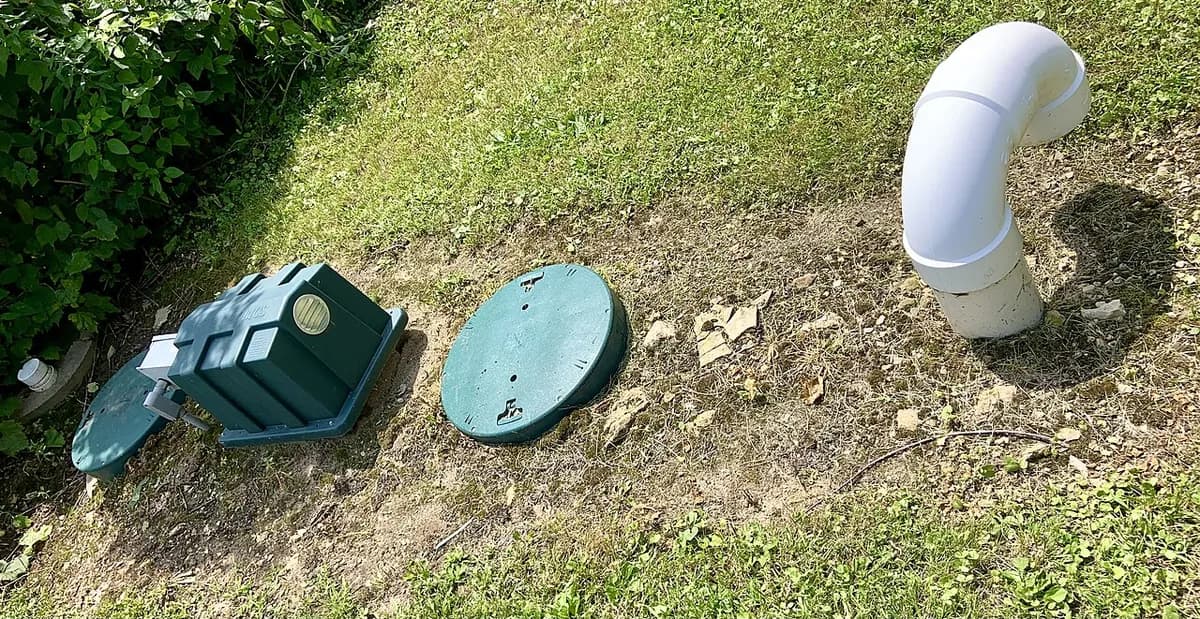
If you have never watched a septic pump-out, the truck arrival can feel mysterious. Homeowners from San Luis Obispo to Nipomo often want a simple answer: what actually happens on site? This guide explains the usual sequence for a residential visit so you know what to prepare — without treating it as engineering advice or a guarantee of how every property will go.
Before the truck arrives
When you request septic pumping, we ask for your city or ZIP, preferred timing, and access notes. Gate codes, pets, steep driveways, and approximate lid locations matter a lot on Central Coast parcels — especially hillside lots near Atascadero and ranch entries around Paso Robles and Templeton.
- Unlock or share gate codes ahead of the appointment window
- Clear a path for the truck where driveway space allows
- Mark lids or risers if you know where they are
- Have a contact reachable by phone during the visit
If you cannot remember the last pump date, that is common. Still request service when your calendar cycle is due — often every 3–5 years; see our pumping frequency guide.
Locating lids and assessing access
On arrival, the crew confirms site access and locates tank lids or risers. Some SLO County homes have clearly marked risers above grade; others have lids buried under soil, gravel, or landscaping — especially on older coastal and rural systems. Finding and carefully opening access points is a normal first step, not a surprise delay.
Hose distance also matters. Long setbacks from the street, orchard rows, or hillside grades can change how the visit is staged. Share what you know when you book so the route plan matches the property.
The pump-out itself
Once lids are open, the crew uses vacuum equipment to remove liquids and accumulated solids from the tank as appropriate for your system and the service you requested. The goal of a routine pump-out is to clear the tank so the system can return to normal use — not to redesign the drain field or diagnose every possible issue without a separate inspection scope.
What you may notice
- Equipment noise and hose activity near the tank area
- Brief odors while lids are open (usually temporary)
- Crew checks related to access, tank condition observations, or next-step notes
If you are seeing warning signs already — slow drains in multiple fixtures, yard odors, or soggy ground over the leach field — read signs you need septic pumping on the Central Coast and mention those symptoms when you request service.
Cleanup and leaving the site
After pumping, lids are secured and the work area is left ready for normal household use as the site allows. Ask the crew any practical questions about what they observed at a high level — for example, whether lids were hard to find or whether a follow-up inspection might help before a sale.
Pricing depends on tank size, access, distance, and timing. For planning context (not a bid), see septic pumping cost factors in SLO County.
When escrow or urgency changes the plan
Buying or selling? Many contracts need a real estate septic inspection in addition to pumping. Sequencing (pump first vs. inspect as-found) depends on the contract and what the parties want documented. Tell us both needs and your contingency date so we can discuss options honestly.
Active backup or a hard deadline? Use emergency / same-week pumping or call (805) 323-3158.
Local routes we serve
SLO County Septic schedules pump-outs across San Luis Obispo County, including Paso Robles, Atascadero, Morro Bay, Cambria, Arroyo Grande fringe parcels, and South County. Share your city on the form and we confirm within one business day when capacity allows.