The septic tank gets most of the attention, but the leach field — also called the drain field — is where most of the treatment happens and where the most expensive problems tend to show up. A field that is overloaded, compacted, or clogged with solids can stop accepting water, and fixing it is a much bigger job than a routine pump-out.
This guide is homeowner maintenance education for San Luis Obispo County, not a site evaluation or County permit advice. If drains are backing up right now, go straight to emergency / same-week pumping.
What the leach field does
Wastewater leaves the house and enters the septic tank, where heavy solids settle to the bottom as sludge and grease and light material float to the top as scum. The clarified liquid in the middle flows out to the leach field — usually a set of perforated pipes in gravel trenches or beds, sometimes fed by a distribution box or pump.
From there, the liquid soaks into the surrounding soil. The soil filters it and naturally occurring microbes break down much of what is left before it reaches groundwater. That means the field depends on two things: the soil staying unsaturated and open enough to absorb water, and the tank keeping solids from getting carried out to the trenches.
How SLO County soils change the picture
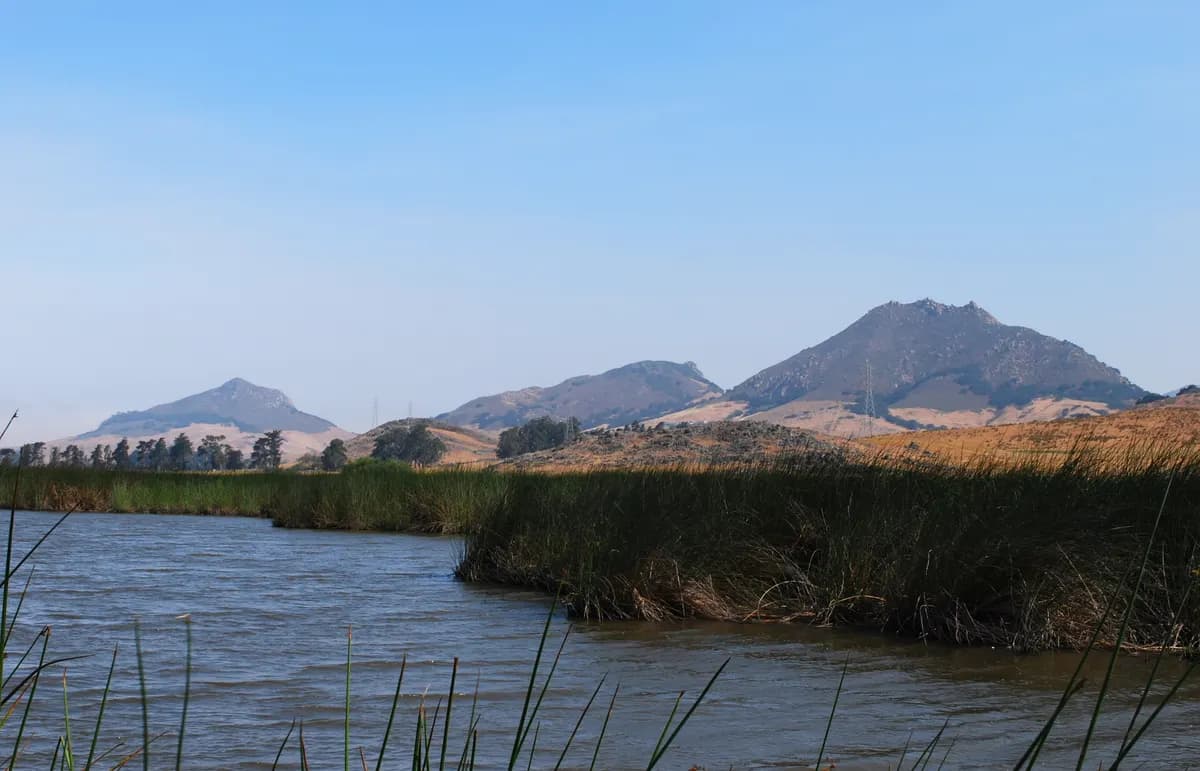
San Luis Obispo County covers a wide range of ground in a short distance. The same household habits can be fine on one parcel and hard on a field a few miles away. Broad patterns homeowners often run into:
- Heavy clay and adobe — parts of North County (Paso Robles, Templeton, Creston and nearby ranch land) — clay absorbs water slowly, swells when wet, and can crack when dry. Fields in these soils tend to stay wet longer after rain and are less forgiving of big water days, irrigation runoff, or compaction.
- Sandy dune soils — Los Osos and the Nipomo Mesa (Los Osos, Nipomo) — sand drains quickly, so standing water is less common, but fast-draining soil gives wastewater less time in the soil. Keeping solids out of the field with regular pumping matters here. In Los Osos especially, confirm the address is still on septic before assuming a field problem.
- Shallow bedrock — Nine Sisters foothills and coastal fringe hills (San Luis Obispo foothills, Morro Bay outskirts, Cambria) — limited soil depth above rock means less room for treatment and for water to spread out. Hillside runoff and slopes can also push water toward the field from above or cause seepage downhill.
These are general tendencies, not a substitute for knowing your own site. Your permit file or a past inspection report may show soil notes, field size, and layout — see our septic permits guide for where those records fit in.
Warning signs of a struggling drain field
- Soggy or spongy ground over the field that stays wet long after nearby yards have dried
- Strips of unusually green, lush grass over the trenches during dry months, especially with odor
- Sewage odor in the yard near the tank or field
- Gray water surfacing on the field, along a slope, or at a property edge downhill
- Slow drains or gurgling throughout the house, or backups that return soon after a pump-out
Some of these overlap with a simple full tank. Our septic failure warning signs guide walks through how to tell the difference, and signs you need septic pumping covers the more routine cues.
Do's: habits that protect the leach field
- Pump on schedule. Regular septic pumping is the simplest way to keep solids out of the field. See how often to pump a septic tank in SLO County for typical intervals.
- Send roof and yard water elsewhere. Point downspouts, sump outlets, and surface drainage away from the tank and field. Rainwater the system was never sized for takes up capacity the field needs for household wastewater.
- Keep irrigation off the field. Adjust sprinkler and drip zones so landscape water does not soak the trenches, especially in clay soils that drain slowly.
- Spread out water use. Space laundry loads across the week, fix running toilets and dripping fixtures, and avoid running the dishwasher, laundry, and long showers back-to-back. A steady trickle is easier on a field than big surges.
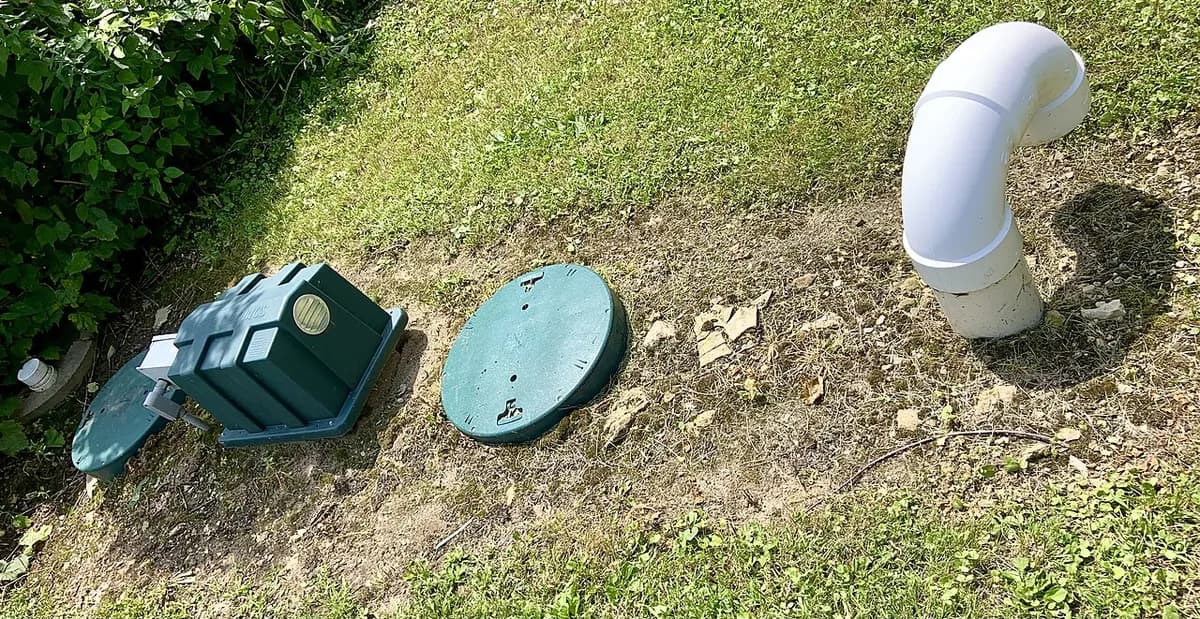
- Know where the field is. Mark the tank, lids, and approximate trench layout so guests, landscapers, and contractors stay off it. Our tank lid guide covers records and ground clues.
- Keep a light, shallow-rooted cover. Grass or low groundcover over the field helps with erosion and evaporation.
Don'ts: common ways fields get damaged
- No parking or driving on the field. Cars, RVs, trailers, dumpsters, and equipment compact soil and can crush pipes — worse when ground is soft after rain.
- No deep-rooted trees or big shrubs nearby. Roots seek out moisture and can clog or break trench lines. Keep new plantings well clear of the field.
- No building on top of it. Patios, sheds, pavers, raised beds, and hardscape block evaporation and make future access harder.
- No grease, wipes, or harsh chemicals down the drain. Cooking grease, "flushable" wipes, and large amounts of bleach or solvents either clog the system or upset the bacteria the tank relies on.
- Don't skip pumping to save money. A pump-out is routine maintenance; field repair or replacement is a much larger project. See pumping cost factors for what drives a quote.
Wet months add their own pressure on fields. For a fall checklist before Central Coast storms, read rainy-season septic prep for SLO County.

When to call for pumping vs. an inspection
Call for pumping when you are at or past your usual interval, drains are slowing, or you notice early warning signs and have not pumped recently. Getting solids out of the tank is often the first step, and it lets the technician see how the tank is behaving.
Ask about an inspection when symptoms come back soon after a pump-out, when the ground over the field stays wet or smells in dry weather, or when you are buying or selling a home. Our inspection vs pumping guide explains the difference, and the real estate septic inspection page covers transaction requests.
For backups, sewage on the surface, or toilets that will not flush, use emergency pumping. Otherwise, request a standard quote at (805) 323-3158 or brycemooreslo@gmail.com.
Repairs and replacements go through the County
If an evaluation shows the leach field needs repair, expansion, or replacement, that work generally goes through San Luis Obispo County permitting and review — separate from a routine pump-out. Requirements depend on the property and the scope of work, so confirm current steps with the County and a qualified contractor. Our septic system permits in San Luis Obispo County guide explains how pumping, inspections, and permitted work fit together.
SLO County Septic provides residential pump-outs and inspection requests across San Luis Obispo County. We do not design or dig drain fields or issue County permits.
Quick leach-field care checklist
- Pump on a regular 3–5 year cycle (sooner for busy households)
- Route downspouts, sump outlets, and irrigation away from the field
- Keep vehicles, equipment, and structures off the leach area
- Plant only grass or shallow-rooted groundcover over the trenches
- Spread laundry and heavy water use across the week
- Save (805) 323-3158 for backups or same-week needs