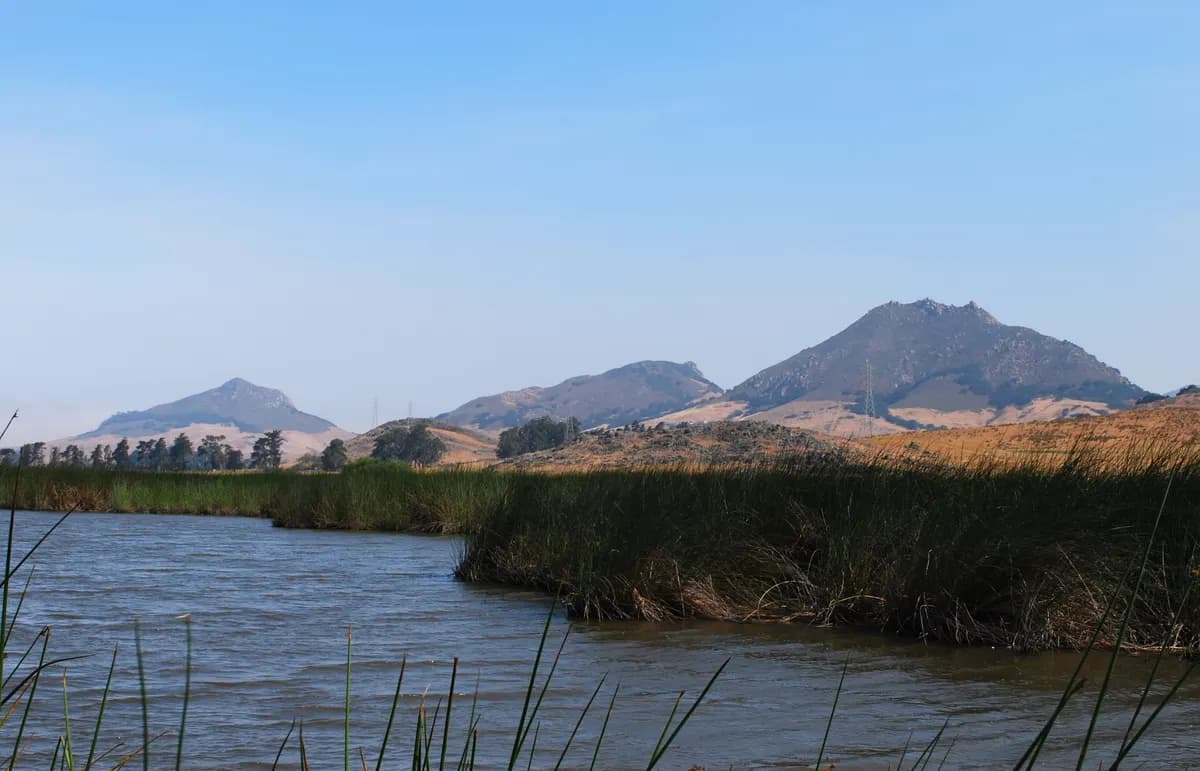
Most of San Luis Obispo County's rain lands between November and March, often after a long dry stretch. That swing matters for septic systems: a drain field that handled everyday wastewater all summer suddenly sits in soil that is already holding storm water. Homes from North County ranch land to the Nine Sisters foothills, South County fringe, and the coastal edge all feel it differently, but the prep work is similar — and mid-October is still early enough to get it done while trucks can stage on firm ground.
This guide is homeowner maintenance education, not a substitute for a site evaluation or County permit advice. If toilets are backing up right now, skip the checklist and go to emergency / same-week pumping.
Why wet season stresses drain fields
A septic tank settles solids and sends clarified liquid to the leach or drain field, where soil finishes the treatment. When winter storms saturate that soil, there is less capacity left for household wastewater. An overdue tank with a thick solids layer makes the problem worse — more solids and grease headed toward a field that is already working in wet conditions.
- Saturated soil — clay and some foothill soils hold water longer after a Pacific storm, so the field stays wet for days.
- Roof and yard runoff — downspouts or graded slopes that dump onto the leach area add water the system was never sized to treat.
- Soft ground damage — parking, dumpsters, or equipment on a wet field can compact soil and stress laterals.
- Full tanks — if you are past your usual pump interval going into the rains, schedule septic pumping before the first big series of storms when you can.
For how often most SLO County homes pump in a normal year, see how often to pump a septic tank. For cues that something is already wrong, read septic failure warning signs.
Divert roof and yard water away from the leach field
- Walk the downspouts. Extend them so roof water discharges well clear of the tank and drain field — not into a low spot that sheets across the leach area.
- Clear gutters before the first storm. Clogged gutters overflow at the foundation and can send concentrated flow toward the system.
- Check grading and hardscape. Patios, new gravel, or a regraded driveway should not create a channel onto the field. Small berms or French drains that move clean storm water away help when they are planned carefully and do not disturb septic components.
- Mind irrigation. Cut back sprinklers over or next to the leach field in the wet months; the field does not need extra water on top of rainfall.
If you are not sure where the field sits, find the tank first using how to find your septic tank lid, then look downhill or along the outlet side for the dispersal area. When in doubt, stay off any soft, rectangular lawn zone that has always been treated as "do not dig / do not park."
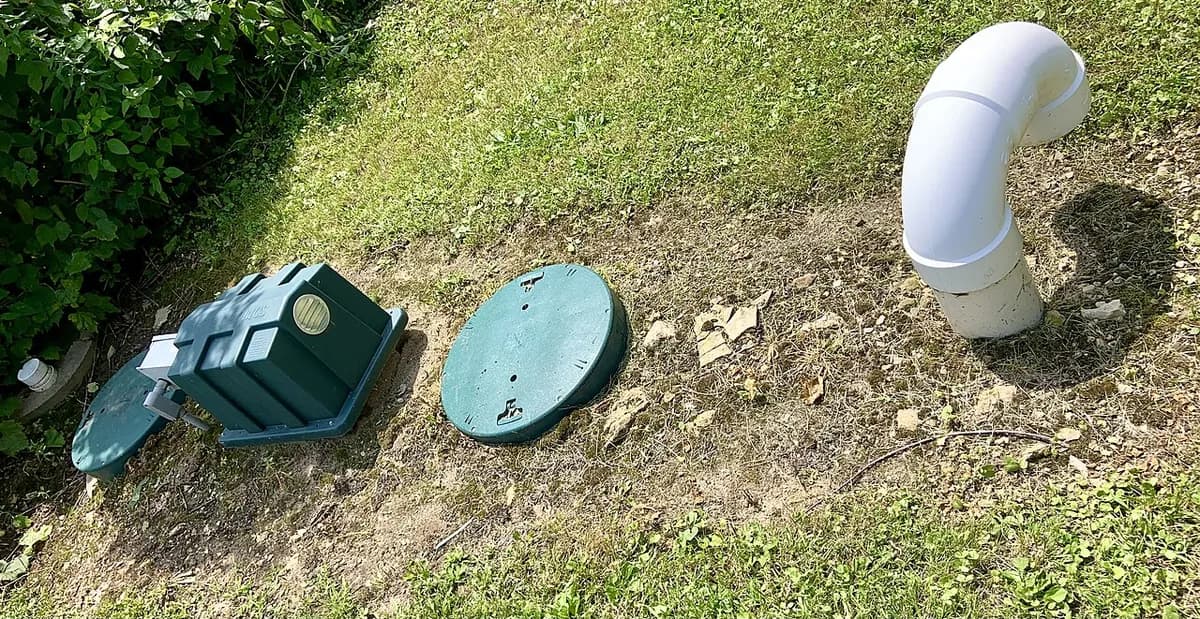
Protect the leach field when the ground is soft
- Do not park cars, trailers, or RVs on the drain field
- Keep dumpsters, portable toilets, and heavy deliveries off that zone
- Postpone major landscaping or trenching over laterals until soil firms up
- Reduce laundry and long showers during multi-day storm sets if the yard over the field is already spongy
Compaction is harder to reverse than a clogged gutter. A single weekend of vehicles on wet soil can show up later as slow drainage even after the tank is pumped.
Pump before heavy rain if you are overdue
Fall is a smart time to clear the calendar for a pump-out when:
- It has been three or more years (or your last invoice is missing)
- You run a short-term rental or full house with heavy water use
- You noticed slow drains, gurgling, or odors near the tank
- Escrow or a listing is coming and you want the tank emptied on dry ground
Knowing lid location, gate codes, and truck turnaround speeds the visit — details covered in our what happens during septic pumping walkthrough. Pricing depends on access, tank size, and locate time; see cost factors for what moves a quote.

Local patterns: North County, foothills, South County, coast
- North County (Paso Robles, Templeton, Atascadero) — larger parcels and clay or adobe pockets can stay wet. Note long driveways and gates; after storms, muddy lanes delay trucks, so earlier booking helps.
- Nine Sisters and SLO foothills (San Luis Obispo) — hillside runoff concentrates below roofs and retaining walls. Make sure terrace drains and downspouts are not aimed at a downhill leach field.
- South County (Nipomo, Arroyo Grande fringe) — sandy soils drain faster in places, but low spots and irrigation still load fields. Watch for puddling that lingers next to the dispersal area after a storm set.
- Coastal fringe (Los Osos, Morro Bay outskirts, Cambria) — confirm the home is still on septic. Marine-layer moisture plus rain keeps soils damp; vacation rentals should leave guests a short note to ease laundry during multi-day storms if the field has had issues before.
Sodden yard vs backup — when to call
After rain, some dampness over a drain field can be normal. Call sooner if you see:
- Sewage odor outdoors or indoors that was not there before
- Gray water or solids surfacing in the yard
- Toilets or drains that will not clear
- Soggy ground that stays wet long after similar yards nearby have dried
Those overlap with Central Coast pumping warning signs and can mean a full tank, a stressed field, or both. For active backups, use emergency pumping. Routine fall prep can still start with a standard quote at (805) 323-3158 or brycemooreslo@gmail.com.
Quick pre-rain checklist
- Clear gutters; extend downspouts away from tank and field
- Mark lids / risers and note truck access while ground is dry
- Book a pump-out if overdue or warning signs appeared this summer
- Keep vehicles and heavy loads off the leach area
- Ease water use during back-to-back storm days if the yard is spongy
- Save (805) 323-3158 for backups or same-week needs